Introduction
Energy work is a powerful recovery practice that has actually been used for centuries to promote physical, psychological, and spiritual well-being. By funneling and manipulating energy, professionals are able to bring back balance and consistency within the body, mind, and spirit. In this article, we will check out the art of energy work, consisting of strategies such as reiki hand positions, reiki signs, the history of reiki, different levels of reiki training, along with the broader idea of energy healing and how it can benefit individuals.
The Art of Energy Work: How to Channel and Manipulate Energy for Healing
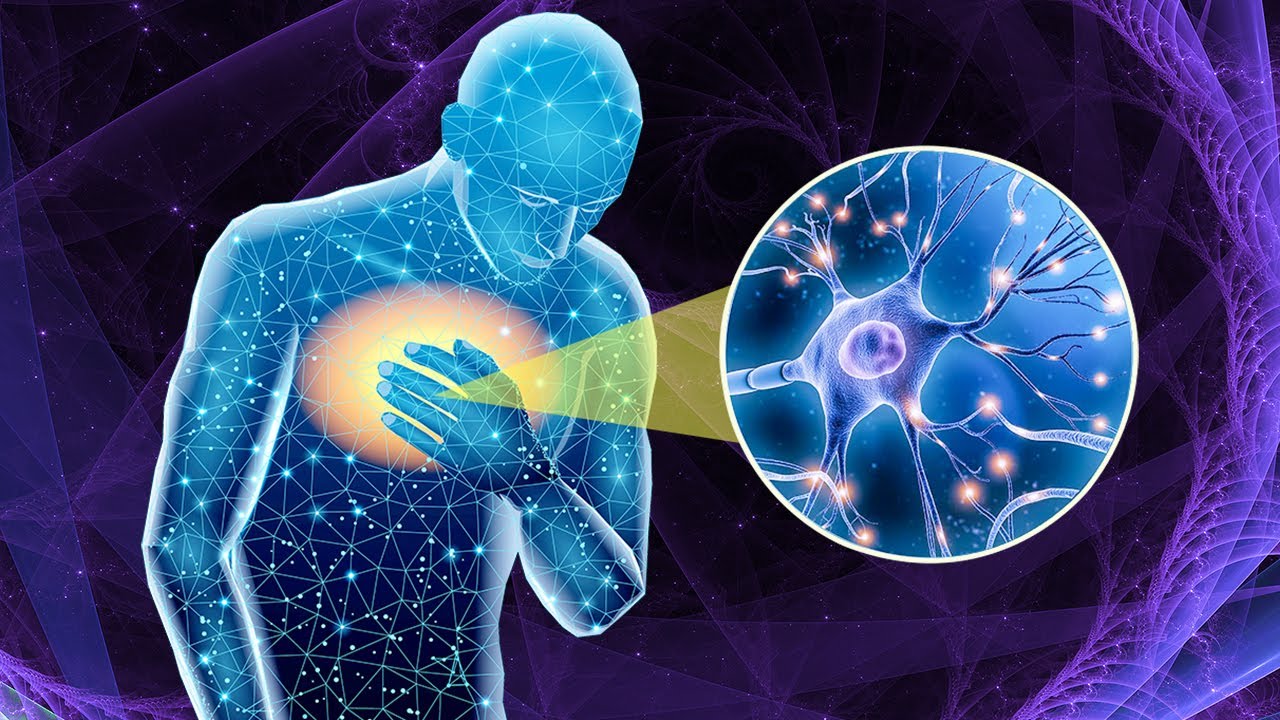
Energy work involves using the universal life force energy that surrounds all of us. This energy can be directed to specific locations of the body or utilized to promote general well-being. By comprehending remote energy healing jobs how to funnel and manipulate this energy, professionals are able to assist in healing on different levels.
Reiki Hand Positions: Directing Energy with Precision
Reiki is a popular type of energy work that includes making use of specific hand positions to direct recovery energy. These hand positions correspond to various areas of the body and are utilized to promote relaxation, reduce pain, and restore balance. Some common reiki hand positions consist of:
Head Position: Placing hands on the crown of the head can assist soothe the mind and release psychological stress. Heart Position: Positioning hands over the heart can promote emotional recovery and open up obstructed energy in this area. Stomach Position: Putting turn over the stomach can assist food digestion and assistance total gut health.By utilizing these particular hand positions, reiki specialists have the ability to target energy circulation to specific areas in need of healing.
Reiki Symbols: Unlocking Deeper Recovery Potential
Reiki symbols are spiritual tools utilized by specialists to boost their capability to channel and manipulate energy. These signs are derived from ancient Japanese kanji characters and hold specific significances and intentions. Some common reiki symbols include:

By including these signs into their practice, reiki specialists are able to access deeper levels of recovery potential.
Reiki History: Tracing the Origins of Energy Healing
The history of reiki dates back to the early 20th century in Japan. It was established by Mikao Usui, a Japanese Buddhist monk who looked for to comprehend the ancient healing practices of his ancestors. Usui went through a spiritual awakening on Mount Kurama, where he got the knowledge and capability to channel healing energy.
Since then, reiki has spread throughout the world, progressing into different lineages and variations. Today, it is acknowledged as a trusted form of energy healing that promotes holistic wellness.
Reiki Energy: Understanding the Flow of Life Force
Reiki energy, also referred to as life force energy or qi, is the basic building block of all living things. It flows through meridians or energy paths within the body, supporting physical, psychological, and spiritual health. When this energy becomes imbalanced or blocked, it can cause illness and dis-ease.

The objective of reiki and other forms of energy work is to bring back the natural flow of this life force energy, promoting health and wellness on numerous levels.
Reiki Level 1: Initiating the Journey
Reiki training usually includes numerous levels of attunement, with each level supplying professionals with new understanding and abilities. Reiki Level 1, likewise referred to as the "First Degree," is the initiation into the practice of energy healing.
During this level of training, trainees discover the fundamental hand positions, symbols, and techniques essential to perform reiki on themselves and others. It is a foundational level that sets the phase for additional exploration and development in the world of energy work.
Reiki Level 2: Deepening the Connection
Reiki Level 2, likewise referred to as the "2nd Degree," builds on the structure developed in Level 1. At this phase, practitioners discover extra symbols and techniques to improve their ability to channel and manipulate energy.
One of the crucial aspects of Level 2 training is the concentrate on distance healing. Professionals are taught how to send reiki energy across time and area, permitting them to supply recovery assistance to individuals who are not physically present.
Energy Recovery: Going Beyond Reiki
While reiki is a commonly acknowledged type of energy healing, it is just one element of a more comprehensive field. Energy recovery includes numerous techniques that all share a typical goal-- bring back balance and consistency within the body, mind, and spirit.
Some popular kinds of energy recovery include:
Chakra Healing: Focusing on balancing and aligning the body's 7 primary energy centers. Crystal Healing: Using the distinct properties of crystals to channel and direct energy. Sound Healing: Using sound vibrations to promote relaxation and energetic balance. Pranic Healing: Cleaning blocked energy using particular hand motions and breathwork.By exploring these different modalities, people can discover an energy healing practice that resonates with Reiki healing them personally.
FAQs
1. What is energy work?
Energy work describes a broad variety of practices that involve channeling and manipulating life force energy for healing functions. This can consist of methods such as reiki hand positions, chakra recovery, crystal recovery, and more.
2. How does energy work promote healing?
Energy work promotes recovery by bring back balance and consistency within the body, mind, and spirit. By attending to energetic imbalances or blockages, practitioners are able to support the body's natural healing processes.
3. Can anyone learn energy work?
Yes, anyone can learn energy deal with appropriate training and practice. It is an ability that can be developed over time, enabling people to end up being skilled in channeling and controling energy for recovery purposes.
4. Are there any threats related to energy work?
Energy work is generally considered safe and non-invasive. Nevertheless, it is necessary to seek training from a credible specialist or teacher to make sure proper strategy and understanding of energetic boundaries.
5. How long does it take to see arise from energy work?
The timeline for experiencing arise from energy work can vary depending upon the private and the particular problem being resolved. Some people might observe immediate improvements, while others might require several sessions before considerable changes are observed.
6. Can energy work be used alongside conventional medical treatment?
Yes, energy work can match conventional medical treatment by supporting the body's natural healing processes. It must not be used as a replacement for medical care however rather as an extra tool for overall well-being.
Conclusion
The art of energy work provides people an effective means of promoting physical, psychological, and spiritual wellness. Through practices such as reiki hand positions, using signs, and checking out various methods of energy healing, people can use the universal life force energy to bring back balance and consistency within themselves. Whether you have an interest in ending up being a specialist or seeking individual healing, embracing the art of energy work can be a transformative journey towards holistic wellness.
Remember to approach energy work with an open mind and heart, honoring the power of this ancient recovery practice. With devotion, training, and practice, you too can find out how to direct and manipulate energy for healing.